
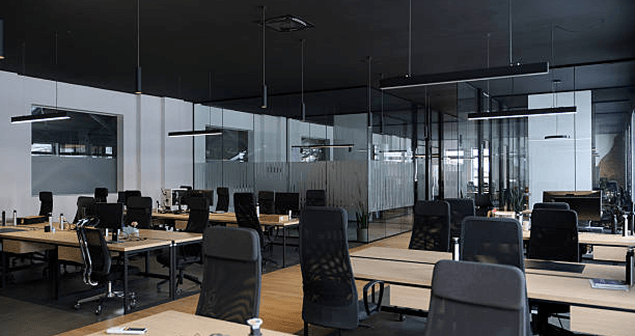
Flexible Workspace Solutions
Flexible Workspace Solutions Built for the Way Businesses Actually Work Today
Walk into most offices today and you’ll notice something has changed. Teams are no longer tied to fixed desks. Meetings don’t always happen in boardrooms. Work happens in pockets—sometimes collaborative, sometimes focused, sometimes remote.
That shift is exactly why flexible workspace solutions have become so important. Businesses are no longer asking for just “office space.” They are looking for environments that can adjust as their teams and priorities evolve.
At Citadel Propcon, the idea is simple. A workspace should make work easier, not more rigid.


What is Flexible Office Space or Workspace
Flexible office space is not a single format. It is a way of thinking about how space is used.
Instead of committing to a fixed layout for years, businesses can choose setups that match how they operate right now. This could mean shared work areas, private cabins, managed offices, or even hybrid arrangements.
With flexible workspace solutions, the space adapts as your business changes. If your team grows, the space grows. If your operations shift, the layout can shift with it.
It removes the pressure of getting everything “perfect” from day one.
What is Flexible Working

Flexible working is what happens when people are given the freedom to work in ways that suit them best.
Some employees perform better in quiet corners. Others thrive in collaborative environments. Some prefer coming in every day. Others work better with a mix of office and remote time.
When businesses combine flexible working with flexible workspace solutions, they create a setup where people are more productive without being forced into a single routine.
It is not about reducing structure. It is about using the right structure.
Important Aspects of Flexible Workspace Solutions

Not every flexible workspace actually works well. The difference usually comes down to a few important details.
A good setup will allow teams to move easily between tasks. It will have spaces for meetings, but also areas for focused work. It will be ready to use, without constant adjustments or hidden complications.
Strong flexible workspace solutions usually include:
- The ability to scale up or down without disruption
- Ready infrastructure so teams can start working immediately
- Layouts that support both collaboration and privacy
- Clear cost structures without surprises
When these elements are in place, the workspace feels natural to use. Teams do not have to “figure it out.” It simply works.
Benefits of Flexible Workspace Solutions
The benefits are not theoretical. They show up in everyday operations.
Businesses that move to flexible workspace solutions often notice that decisions become easier. Expansion does not feel risky. Downsizing does not feel wasteful. Teams settle in faster.
Some of the most noticeable advantages include:
- Lower upfront costs compared to traditional office setups
- Faster move-in timelines
- Better use of space without unnecessary overhead
- Improved employee comfort and productivity
- Access to better locations without long-term commitments
Over time, this creates a more efficient way to run a business. Less time spent managing space. More time spent building the business.

The Importance of Office Layout
Office layout plays a bigger role than most businesses expect.
A cramped layout can slow down communication. An overly open space can make it difficult to focus. The right balance is what makes the difference.
In flexible workspace solutions, layouts are designed to support different types of work. There are areas where teams can collaborate freely. There are spaces where individuals can work without interruptions.
When this balance is right, the office stops feeling like a limitation. It becomes a support system.
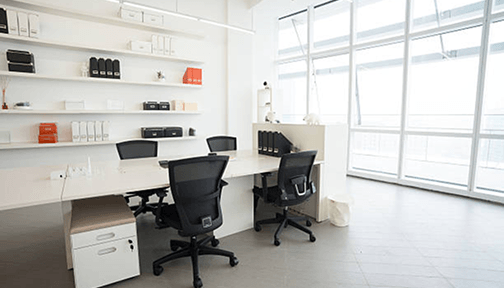
How to Implement Flexible Space in Your Office
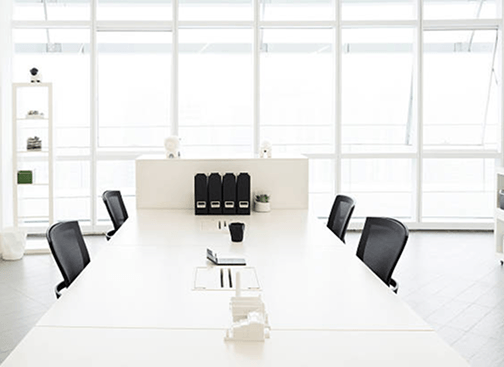
Shifting to a flexible workspace does not need to be complicated. It starts with understanding how your team actually works.
Look at how often people collaborate. Notice where they need privacy. Identify what parts of the office are underused.
From there, small changes can make a big impact:
- Introduce shared work areas instead of fixed seating
- Create zones for different types of work
- Use furniture that can be moved and adjusted easily
- Keep the setup simple so teams can adapt quickly
Businesses that adopt flexible workspace solutions step by step often see smoother transitions. The change feels natural instead of forced.
Why Choose Citadel Propcon
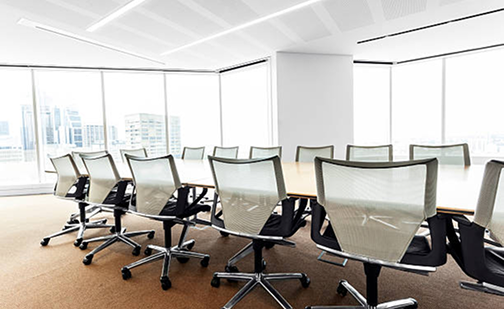
Citadel Propcon does not approach workspace as a checklist. It is treated as a business decision.
The focus is always on how the space will be used every day. What works for one company may not work for another. That is why every solution is shaped around actual requirements.
From identifying the right property to helping set up the space, the process remains clear and practical.
With experience across different industries, Citadel Propcon brings a grounded understanding of what makes a workspace function well in real conditions.
Conclusion
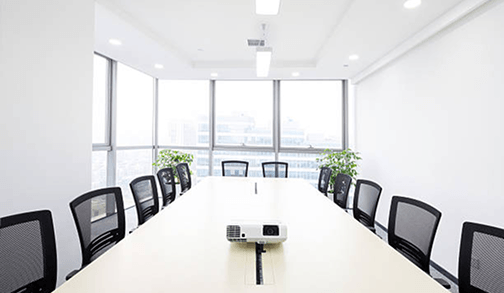
Work has changed. The way offices are designed has to change with it.
Rigid spaces make it harder to adapt. Flexible environments make it easier to move forward without friction.
Adopting flexible workspace solutions is not just about saving costs or trying something new. It is about creating a setup that supports how businesses operate today and how they will grow tomorrow.
Connect with us to explore flexible workspace solutions that fit your business style and give your team the freedom to work better every day.