Bangalore Commercial Real Estate Market 2026: Office Rental, Leasing & Investment Trends
Bangalore continues to sit at the centre of India’s office market in 2026. For occupiers, investors and developers, the city remains attractive because of its technology base, large GCC ecosystem, deep talent pool and steady demand for Grade A workplaces. Citadel Propcon Pvt. Ltd. works across this market, helping businesses and property stakeholders evaluate locations, office requirements and commercial real estate opportunities based on their long-term objectives.
Market preferences are also turning more discerning. Companies have become increasingly sensitive to issues such as location, building standards, sustainability, employees’ ability to use office space, and flexibility of lease structures. In addition, investor appetite for office buildings that earn income has intensified significantly.
This is among the current market trends in Bangalore, for companies looking at commercial real estate in the region in 2026.
Office Leasing Activity Continues
Bangalore went into the second half of 2026 in strong form in terms of office leasing.
Total gross office leasing was 10.3 million sq. ft. in H1 2026, a rise of 7% compared to H1 2025. The numbers underscore Bangalore’s reputation as one of the busiest office leasing markets in the country.
Q2 alone recorded approximately 5.6 million sq. ft. of gross leasing and 3.5 million sq. ft. of net absorption. Outer Ring Road and Peripheral East attracted some of the strongest occupier activity during the quarter.
Demand is also spread across several industries. Technology remains important, while BFSI, engineering and manufacturing companies, GCCs and flexible workspace operators continue to contribute to leasing activity.
GCCs Continue to Shape Office Demand
Global Capability Centres remain one of the strongest influences on Bangalore’s office market.
GCCs leased approximately 5.36 million sq. ft. in Bengaluru during H1 2026, making it the largest GCC market among the cities included in its research.
During Q2 2026, GCCs made up 52% of Bangalore’s quarterly office leasing activity.
This demand becomes even more pertinent within well-established office markets including Outer Ring Road, Whitefield, and other eastern micro-markets with concentration of large technology parks and corporate campuses.
For office providers, on the other hand, further development of GCCs highlights the relevance of property quality, resilience, accessibility, sustainability and potential for occupier expansion.
Supply Is Growing Alongside Demand
Another interesting development in 2026 was the growth in supply of Grade A office space.
During H1 2026, Bengaluru saw approximately 8.7 million sq. ft. of new office supply, making up for 39% of supply additions in seven major markets of India that it monitors.
According to Cushman & Wakefield data, in Q2 2026, there were 5.8 million sq. ft. of Grade A supply.
Greater supply provides greater choice to occupiers, but not all available office space is created equal.
Businesses with larger requirements should therefore begin their searches well before their intended occupation date.
Office Rentals Are Still Moving Up
Rental movement is another factor occupiers need to monitor.
Bangalore office rentals continued to appreciate during Q2 2026 as occupier demand remained focused on quality commercial assets.
Across India’s major office markets, quarterly rental increased up to 5% in selected high-activity micro-markets during Q2 2026.
The actual rental cost of a commercial property in Bangalore can still vary substantially between micro-markets and individual developments. Asset grade, floor plate, building age, fit-out condition, parking, amenities and lease structure can all influence the final commercial terms.
For an occupier, this is why headline rent should not be considered in isolation. Fit-out expenditure, maintenance charges, employee transportation, utilities and future expansion can change the total cost of occupying a property considerably.
Flexible Offices Are Becoming Part of Mainstream Real Estate Strategy
Flexible workspace is no longer limited to startups or very small teams and the operators leased 8.6 million sq. ft. across India’s top seven office markets during H1 2026, representing a 32% year-on-year increase. Bengaluru and Delhi NCR each accounted for around 20–25% of flex-space leasing during the period.
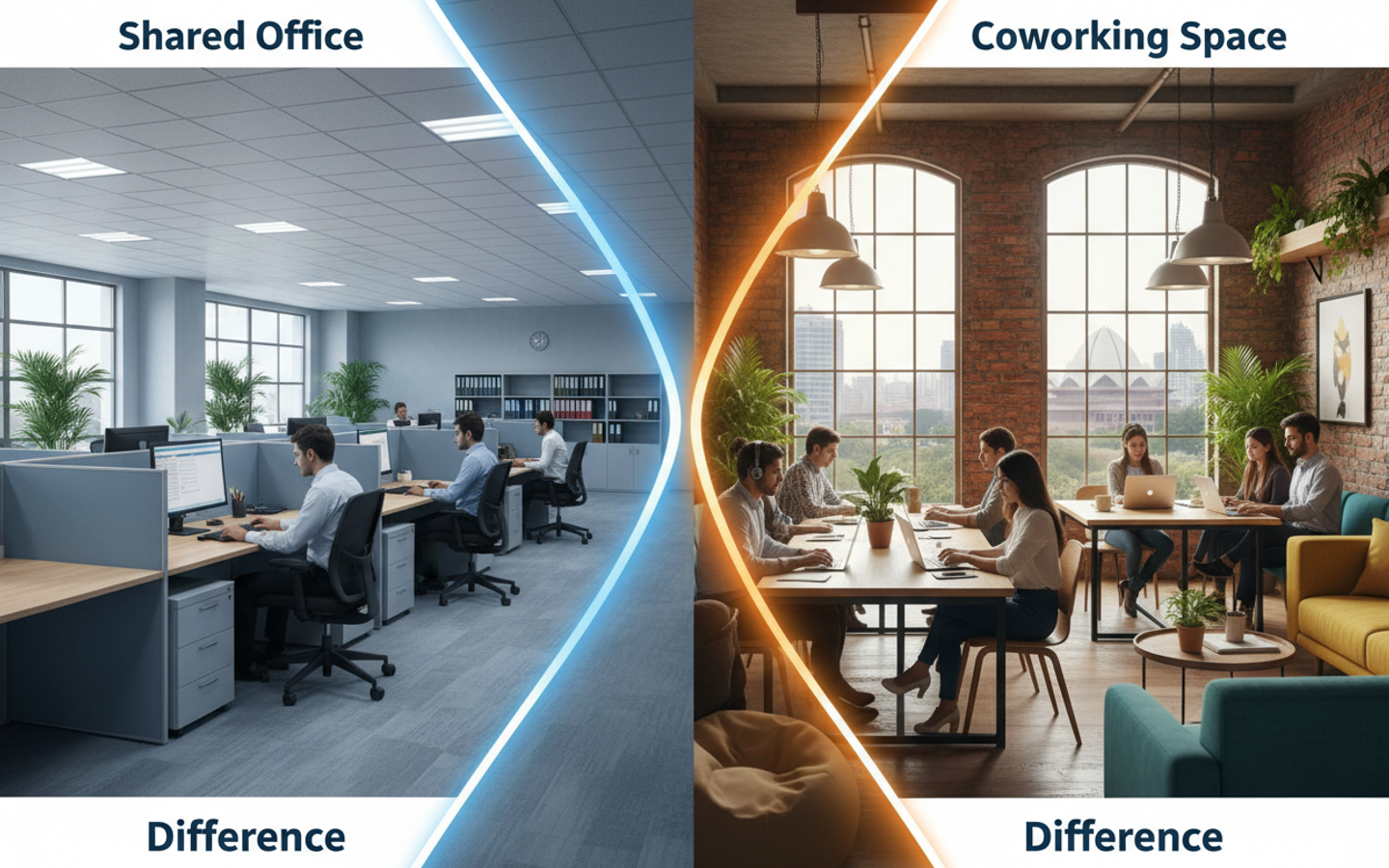
This gives companies more choice between conventional leases, managed offices and coworking arrangements.
Some occupiers are also combining models: keeping a conventional office for established core teams while using flexible capacity for expansion, project teams, market entry or shorter-term requirements.
For companies assessing commercial real estate in Bangalore, the question is increasingly not simply “traditional or flexible?” but how the two formats can work together within a wider workplace strategy.
Sustainability Is Affecting Building Choice
Sustainability has become a practical factor in office selection rather than only a corporate reporting requirement.
The 73% of office leasing in India during Q2 2026 took place in green-certified buildings, while 76% of new office completions were green certified.
For occupiers, high-performing buildings can support ESG objectives, energy efficiency and workplace standards. For landlords and investors, sustainability credentials can also affect the long-term competitiveness of an asset as corporate occupiers place greater emphasis on their environmental commitments.
Investment Interest in Office Assets Remains Healthy
The investment market continues to show confidence in commercial real estate.
Institutional real estate investment in India reached approximately USD 1.9 billion during Q2 2026, taking H1 investment to USD 3.5 billion. Office assets remained the preferred investment category, with Bengaluru and Chennai highlighted as key investment destinations.
Colliers, using its own transaction coverage and methodology, recorded USD 2.9 billion of institutional investment in Q2 2026, with office assets attracting around USD 1.1 billion.
The totals differ because research firms do not necessarily classify every transaction in the same way. Both datasets, however, show continued institutional interest in office assets.
For anyone evaluating commercial property in Bangalore as an investment, tenant profile, lease tenure, micro-market fundamentals, asset quality and future competing supply remain important considerations alongside the purchase price.
What Should Occupiers and Investors Watch Next?
In 2026, for occupants, the question of availability of space is secondary to the question of space that will still serve the firm’s purpose in the years ahead.
Location, lease, accessibility, construction, scalability, sustainable credentials, and cost of fit-out need to be considered in tandem rather than in isolation.
For investors, tenant credit, lease length, occupancy, future supply, and micro-market outlook are just as crucial.
Make Better Decisions in Commercial Real Estate in Bangalore
Citadel Propcon Pvt. Ltd. helps occupiers, landlords, developers and investors evaluate commercial real estate opportunities across Bangalore. From office leasing and workspace strategy to transaction advisory and commercial property decisions, the objective is to match each requirement with the right location, asset and commercial structure.
Contact us today to discuss your commercial real estate requirements in Bangalore.